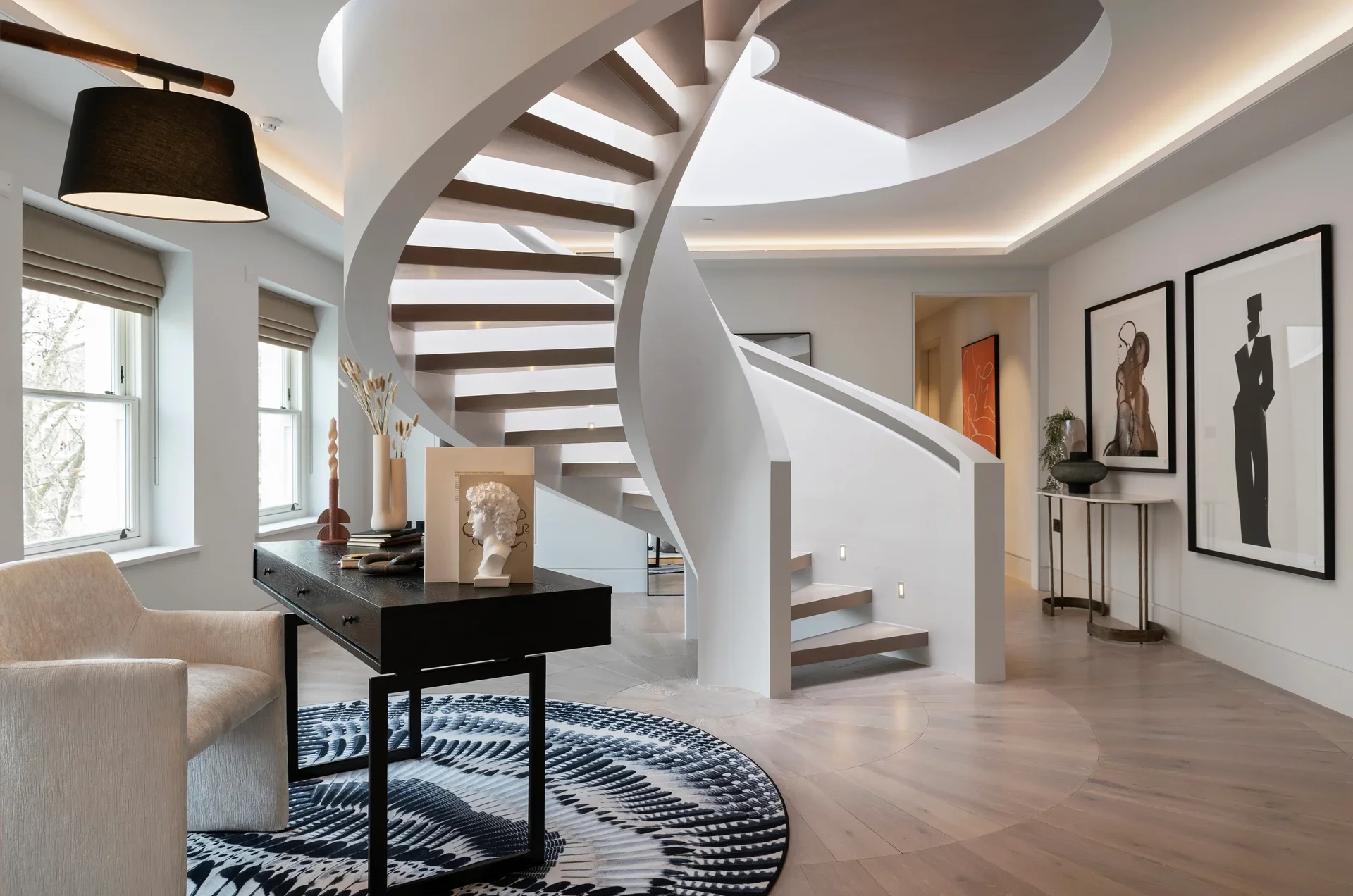
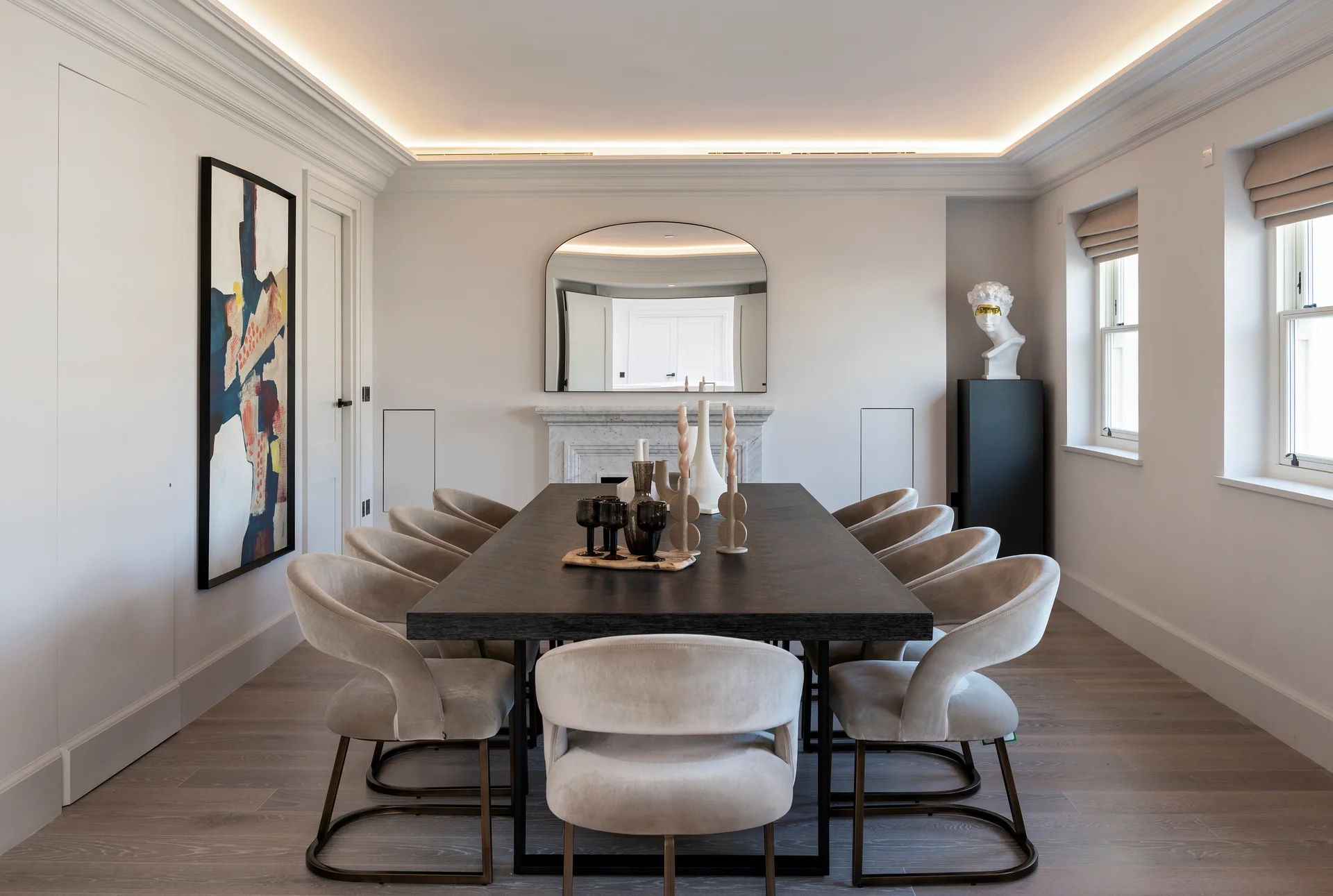
A room can feel smaller than it is when a few design choices work against you. Most people don’t realise how small errors in layout, lighting or colour can close a space down and make it feel tighter than it needs to.
The good news is that you don’t need a full refit to fix the issue. You just need to spot the issues and make small corrections. The following points set out the common traps and the simple remedies that open a room up and give it space to breathe.
Poor furniture scale
Oversized furniture eats floor area and blocks natural lines of sight. A huge sofa or bulky wardrobe makes a room feel cramped even when the footprint is decent. The solution is not to buy tiny pieces but to scale each item to the room so the mass and volume sit in proportion.
One trick is to measure the clearance around each piece before you commit. Then ensure the paths through the room stay open so the whole room feels larger.
Heavy visual weight
Dark and dense objects draw the eye and crowd the field of view. A massive bookcase, a large media unit, or thick curtains can load the edges of the room and drag the walls inward.
You can reduce the visual weight by choosing lighter frames, open shelving, or fabrics with a softer profile. This way you keep function while lowering the pressure on the room’s perimeter.
Cluttered surfaces
Busy surfaces break the visual flow. Side tables stacked with odds and ends or shelves filled to the brim can slice the space into fragments.
Simply clear the excess for the solution. Keep only what earns its place, so you have long and clean sightlines that make the space feel calm and open.
Weak lighting strategy
Dim rooms feel smaller because the corners fade and the boundaries blur. Many homes rely on a single pendant light that creates harsh contrast and leaves pockets of gloom.
The solution to this issue is to devise a simple lighting plan using a mix of ceiling, wall, and task lights to brighten each zone and expand the sense of space.
Poor colour placement
Strong colours placed in the wrong spot can distract the eye from the full extent of the room. A dark ceiling, for example, pulls the volume down, while deep tones on every wall can have the same effect. If you want bold colour, you must use it with control.
Try anchoring a single feature wall, or add contrast through accessories. Keep the rest of the room lighter to maintain depth and openness. Colour zoning like this gives the room structure without closing it in.
Blocked natural light
Large objects placed in front of windows stop daylight from spreading. Heavy curtains can do the same. So move furniture away from openings and use simple window dressings that allow clear light across the room.
Daylight creates the strongest sense of room volume, so protect it.
Awkward layout
Furniture placed without thought can restrict movement and make the room feel tight. A sofa pushed too close to the door or a desk jammed against a walkway will shrink the usable area.
Try sketching a quick layout before you shuffle things around. Align the largest pieces with the natural flow of the room to keep movement routes clear.