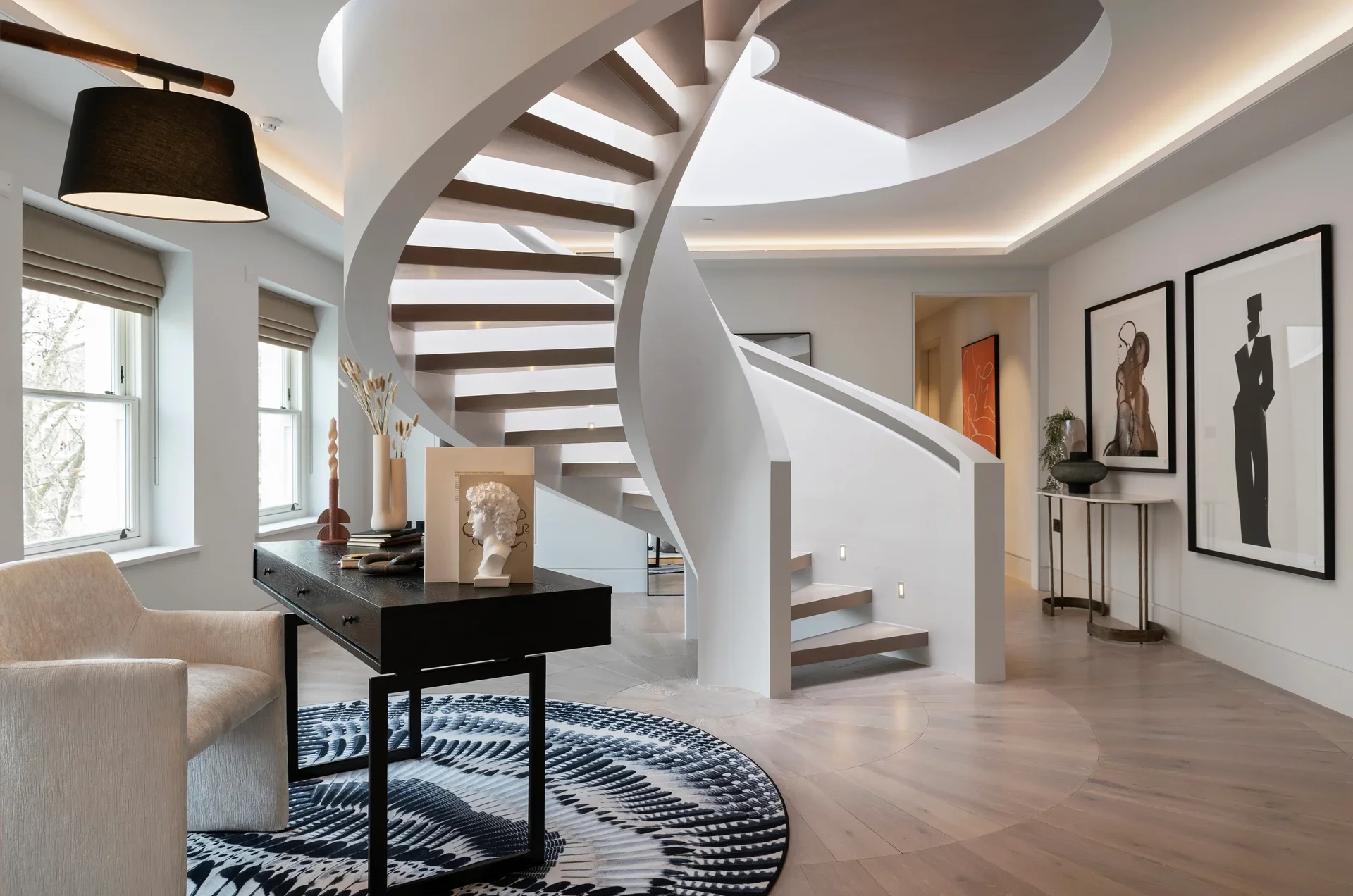
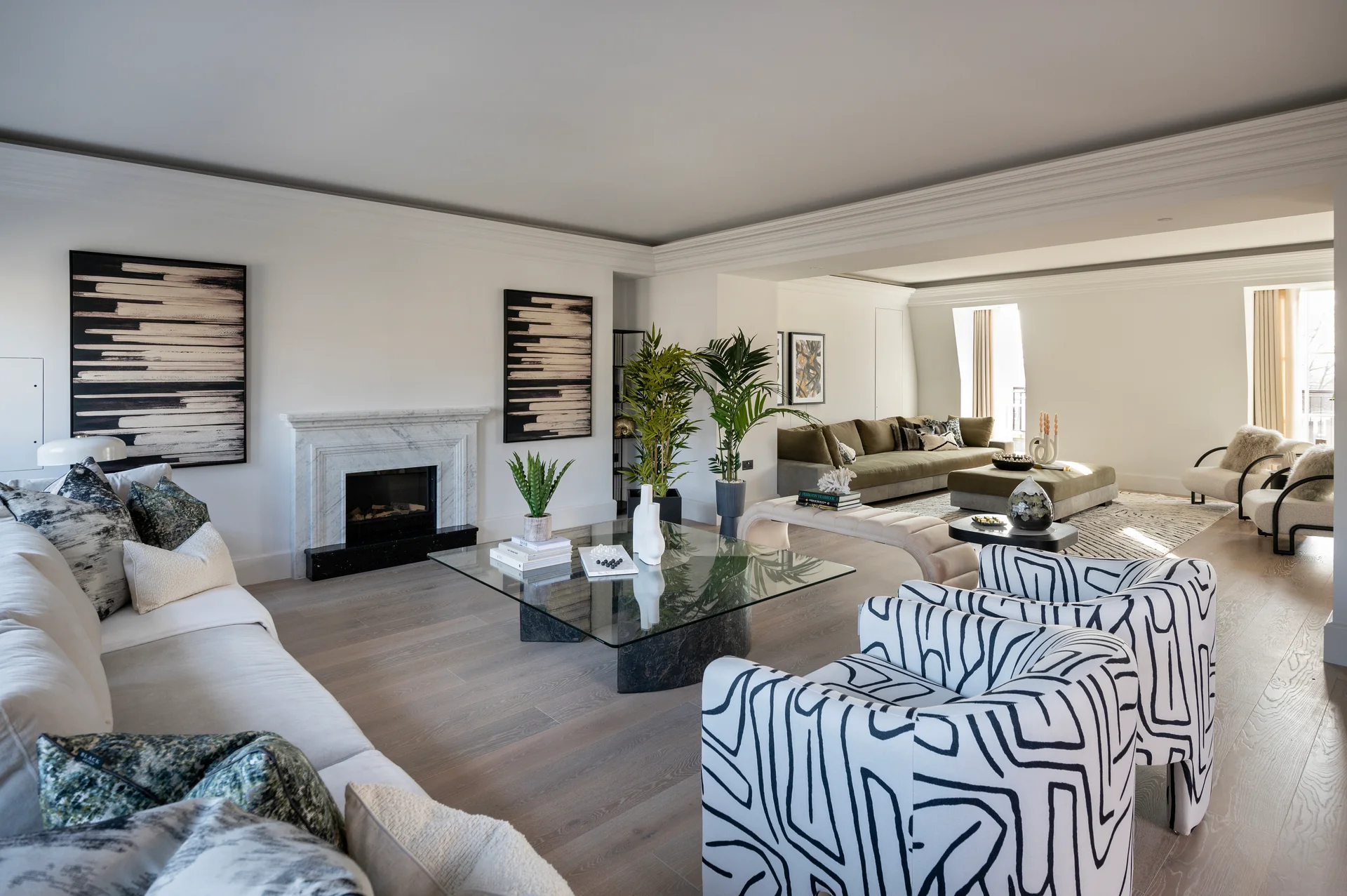
Mixing patterns is one of those design ideas that can scare people off, mostly because when it’s done badly it can leave a room looking chaotic and uncomfortable. But do it well and you can add character and style to any room in the house.
The key is learning how to balance different designs so they work together instead of clashing. With our guidelines laid out below, you can confidently mix stripes and florals or checks and chintz to your heart’s content.
Just follow these tips to avoid those pattern-mixing headaches.
Start with a base pattern
Every mix of patterns needs an anchor, so choose one dominant pattern that sets the tone such as a bold rug or patterned wallpaper. It could even be a sofa with a particularly striking design or some wall art that the other patterns can riff off.
Once you have this foundation, it becomes easier to select other patterns that complement rather than compete with it.
Play with scale
Patterns work best when they are not all the same size, so aim for a mix of large, medium and small-scale designs to create balance. For example, if you start with an oversized floral, follow it up with some medium stripes or a smaller geometric print.
The variation keeps the eye moving around the room without overwhelming it.
Stick to a colour palette
Patterns can be wildly different, but they will still look connected if they share colours. Pick two or three main tones and carry them across the designs. For example, blue and white stripes and a floral print with blue accents will feel linked, especially so if another pattern has white accents.
The colour story ties everything together even when the prints themselves are unrelated in style.
Use patterns in layers
Patterns do not have to shout from the biggest pieces of furniture. Cushions, throws, curtains, and even lampshades are great places to introduce variety. This layered approach also makes it easy to experiment.
If you decide you do not like the combination, swapping out smaller items is far less costly than reupholstering a sofa or changing wallpaper.
Know when to stop
It can be tempting to keep adding patterns once you get into it, but restraint is vital. Three or four patterns in a room is usually enough. Too many and the space feels restless, so choose a few that really speak to you and let them stand out.
Mixing patterns is about creating rhythm rather than noise.
Let neutrals balance the room
Solid colours are just as important as prints, as plain walls, neutral rugs or simple curtains provide breathing space for the eye. They allow the patterns to shine without competing, so use neutrals to give the room structure and calm so the mix of patterns feels stylish rather than overwhelming.
A well-balanced mix of designs makes a space feel layered and full of personality, and by following these steps, you can take the headache out of mixing patterns and start enjoying the creativity it brings.